


Do Female Guinea Pigs Go Into Heat


Understanding Your Sow’s Reproductive Cycle
If you share your home with female guinea pigs, you may occasionally notice subtle behavior changes and wonder what is happening. One common question among guinea pig guardians is whether female guinea pigs go into heat.
The answer is yes. Understanding the normal reproductive cycle of a sow helps you recognize what is healthy, what is typical herd behavior, and when something may need veterinary attention.

Do Female Guinea Pigs Go Into Heat?
Female guinea pigs, called sows, do go into heat once they reach maturity.
This is a normal biological cycle and not something to worry about.
Most sows begin cycling at about 4 to 6 weeks of age, though the changes can be so subtle that many owners never notice them at all.
How Often Do Heat Cycles Occur?
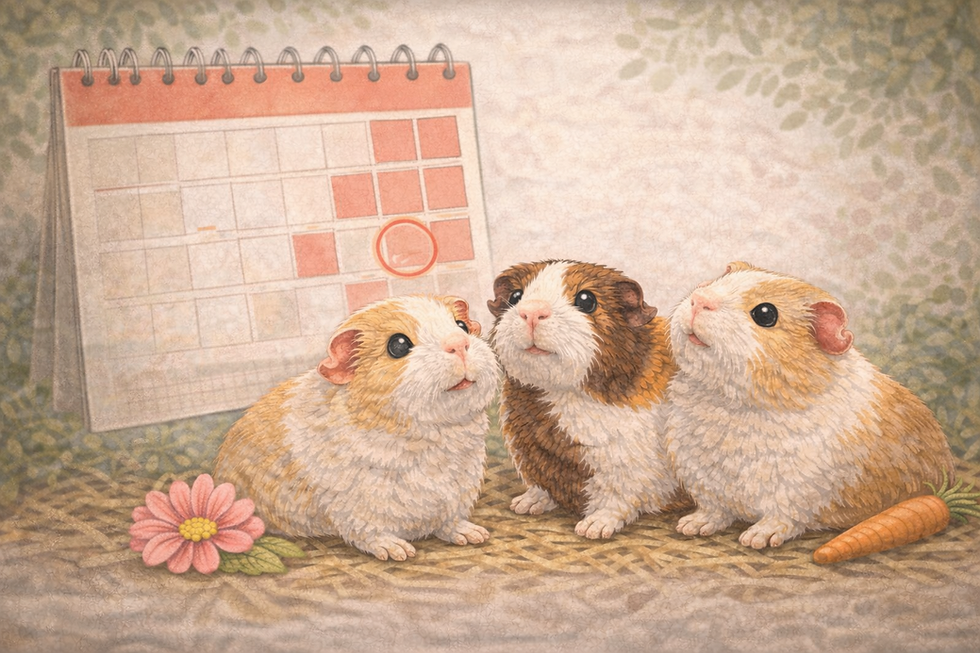
Guinea pig heat cycles are frequent compared to many other animals.
Most sows go into heat approximately:
Every 14 to 18 days
The actual heat window is short and typically lasts:
8 to 24 hours
Because the fertile period is brief and signs can be mild, it is very easy to miss unless you know what to look for.
Common Signs a Sow Is in Heat
Some guinea pigs show noticeable behavioral or physical changes during heat, while others appear completely normal.
You may notice:
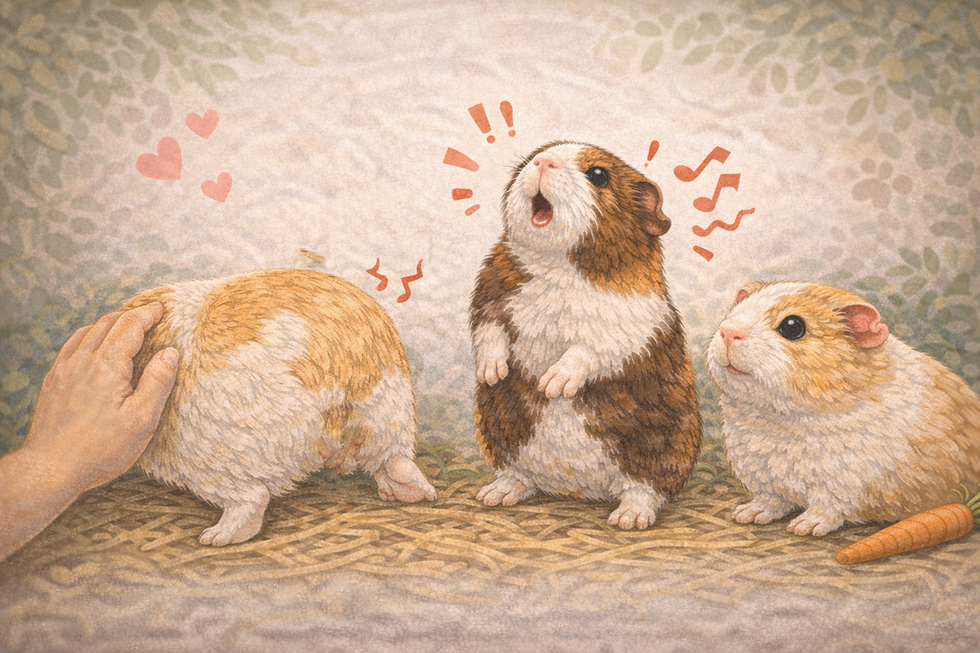
Increased rumbling or mounting behavior
Restlessness or extra bursts of energy
Raised hindquarters when gently touched on the back
Slight swelling of the vulva
Clear or slightly milky discharge (this is normal)
Many sows continue eating, resting, and interacting normally throughout their cycle.

The “Standing Heat” Response (Lordosis)
When a sow is in peak heat, she may display a posture known as lordosis.
This posture signals fertility.
During lordosis, a sow may:
Lift her back end
Freeze briefly in place
Tilt her hips upward
This response can happen even when no male guinea pig is present. It is simply part of the natural reproductive cycle.
Do Guinea Pigs Have Periods?
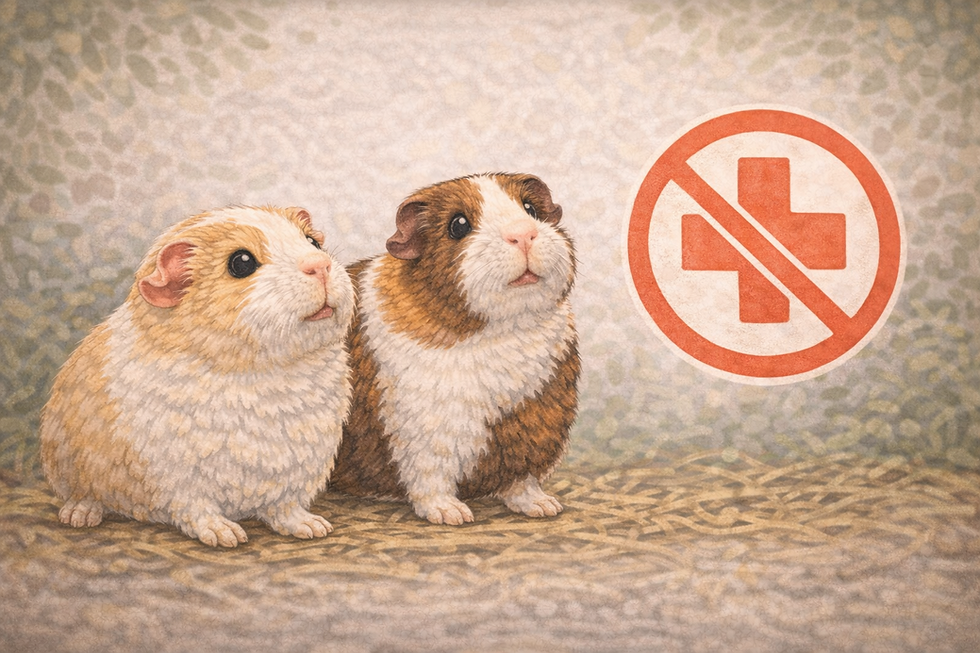
No. Guinea pigs do not menstruate like humans.
You should never see blood during a normal heat cycle.
If you notice any blood from the genital area, this is not normal and requires prompt veterinary attention.
Blood can indicate:
Urinary tract infection
Reproductive infection
Bladder stones
Other medical concerns
Always contact an experienced exotic vet if blood is observed.

Behavior Changes During Heat
Hormonal changes can affect temperament in some sows.
Some may become:
Slightly moody
More vocal than usual
More dominant with cage mates
Others show almost no change. Every guinea pig has its own personality and response to hormonal cycles.
Living With Other Female Guinea Pigs
If your sow lives with other females, you may notice a temporary increase in:
Mounting
Chasing
Mild dominance behavior
This is usually normal herd interaction and not a cause for concern.
Intervene only if you see:
Real fighting
Biting that breaks skin
Injury or extreme stress
Never house intact males with females unless breeding is intentional and carefully planned. Guinea pigs can become pregnant very quickly.

Health Watch: When to Call a Vet
While heat cycles are normal, certain symptoms are not.
Contact a veterinarian promptly if you notice:
Blood from the genital area
Strong odor or thick discharge
Lethargy
Loss of appetite
Signs of pain or discomfort
These are not normal heat symptoms and should always be evaluated.

A Gentle Reminder for Guinea Pig Guardians
Heat cycles are a natural part of a sow’s life.
Most pass quietly and without issue.
By understanding your guinea pig’s normal rhythms, you can:
Spot potential health problems early
Reduce unnecessary worry
Keep your herd comfortable and thriving
The more you observe your guinea pigs, the more you learn what is normal for them individually.

Follow Along for Trusted Guinea Pig Care
At The Cavy Whisperer, our goal is to help you care for your guinea pigs with confidence and compassion.
Follow along for trusted guinea pig care tips, health education, and gentle guidance.
Visit our gift shop to support the herd and help us continue creating helpful resources for guinea pig families everywhere.


Comments