


Your Guinea Pig’s Vet Visit: What to Bring, What to Expect, and How to Prepare


If you’re getting ready for your guinea pig’s first veterinary appointment, you might be feeling a little nervous. That’s completely normal.
Many guinea pig owners wonder the same things before they go.
“What should I bring?”
“Will my guinea pig be scared?”
“What happens during the exam?”
The good news is that a little preparation goes a long way. Knowing what to expect can help both you and your guinea pig have a calmer, less stressful experience.
Whether you’re heading in for a routine wellness exam or because your guinea pig isn’t feeling well, this guide will walk you through the entire visit, from leaving home to settling back in afterward.

Finding the Right Veterinarian
One of the biggest surprises for new guinea pig owners is learning that not every veterinarian regularly treats guinea pigs.
Because guinea pigs are considered exotic companion mammals, they have unique nutritional needs, dental anatomy, and medical conditions that differ quite a bit from dogs and cats. That’s why it’s worth taking a little extra time to find a veterinarian who has experience caring for them.
When you call a clinic, don’t hesitate to ask a few questions. Do they regularly see guinea pigs? What happens if your guinea pig gets sick after hours? Should you bring previous medical records?
Most veterinary teams are happy to answer these questions, and it’s much less stressful to find the right clinic before you have an emergency.
Think of it this way: when your guinea pig suddenly stops eating on a Saturday afternoon, you’ll be grateful you already know exactly where to go.

Getting Ready for the Vet Visit
Once your appointment is scheduled, it’s time to think about the trip itself.
One of the most common misconceptions is that pets shouldn’t eat before a veterinary visit. While that can be true for some animals or procedures, it is not true for guinea pigs.
Guinea pigs should continue eating right up until it’s time to leave the house. Their digestive system relies on a constant flow of food, so even a few hours without eating can become a serious problem
.
Feed breakfast as usual, make sure fresh hay is available, and pack a little extra hay for the ride. Many guinea pigs will nibble during the trip, which helps them stay comfortable and keeps their digestive system moving.
While you’re gathering supplies, place a soft fleece blanket or towel inside the carrier. It gives them secure footing, keeps them warm, and makes the carrier feel a little more like home.
If your guinea pig has a bonded cage mate, ask your veterinarian whether it would be beneficial to bring both pigs. Sometimes having a familiar companion nearby helps reduce stress, although there are situations where your veterinarian may prefer to examine only one.
Try to keep the car ride as quiet and smooth as possible. Loud music, sudden braking, or unnecessary stops can all make an already unfamiliar experience more stressful.

What Should You Bring?
Once everything is packed, you’ll feel much more relaxed heading out the door.
Besides your guinea pig, here are a few things worth bringing:
A secure carrier with good ventilation
A fleece blanket or towel
Fresh hay
A small portion of favorite vegetables
A water bottle if you’re traveling a long distance
Any medications your guinea pig is currently taking
Previous medical records
A fresh fecal sample if your veterinarian has requested one
Many owners also like to bring a small notebook or use the Notes app on their phone. There’s often a lot of information to remember, and it’s easy to forget instructions once you get home.

What Happens During the Exam?
If you’ve never been to an exotic veterinarian before, you might be surprised by how thorough the examination is.
One of the very first things your veterinarian will do is weigh your guinea pig.
That number is more important than many people realize.
Guinea pigs are incredibly good at hiding illness. Sometimes the only early clue that something is wrong is a slow decline in body weight. That’s why many experienced owners keep a small digital kitchen scale at home and weigh their guinea pigs every week.
Next comes the physical examination.
Your veterinarian will carefully examine your guinea pig’s eyes, ears, nose, teeth, mouth, feet, skin, and coat. They’ll listen to the heart and lungs with a stethoscope and gently feel the abdomen for anything unusual.
Don’t be surprised if the appointment feels more like a conversation than an examination.
Your veterinarian will likely ask about:
What your guinea pig eats every day
How much hay they’re consuming
Water intake
Activity level
Changes in behavior
Weight changes
Urination and droppings
These questions aren’t just small talk. They help paint a complete picture of your guinea pig’s health.

Will My Guinea Pig Need Tests?
Not necessarily.
A healthy guinea pig visiting for an annual wellness exam may not need anything beyond a physical examination.
If your veterinarian notices something concerning, however, they may recommend additional testing.
Depending on your guinea pig’s symptoms, this could include nail trimming, a dental evaluation, X-rays, blood work, a urinalysis, or a fecal examination to look for parasites or digestive issues.
It’s easy to feel overwhelmed when additional tests are recommended, but remember that your veterinarian isn’t ordering them simply because they’re available. Each test is meant to answer a specific question and help guide the best treatment plan.
Never hesitate to ask why a particular test is being recommended. Most veterinarians are happy to explain what they’re looking for and how the results will help.

Don’t Leave With Unanswered Questions
As the appointment wraps up, take a moment before walking out the door.
This is your chance to make sure you fully understand what’s happening.
Some helpful questions include:
What is my guinea pig’s diagnosis?
What warning signs should I watch for?
How do I give the medication correctly?
Are there any dietary changes I should make?
When should we schedule a follow-up visit?
At what point should this become an emergency?
Remember, no one knows your guinea pig better than you do.
If something still doesn’t make sense, ask another question. Your veterinarian wants you to leave feeling confident, not confused.
Once You’re Back Home
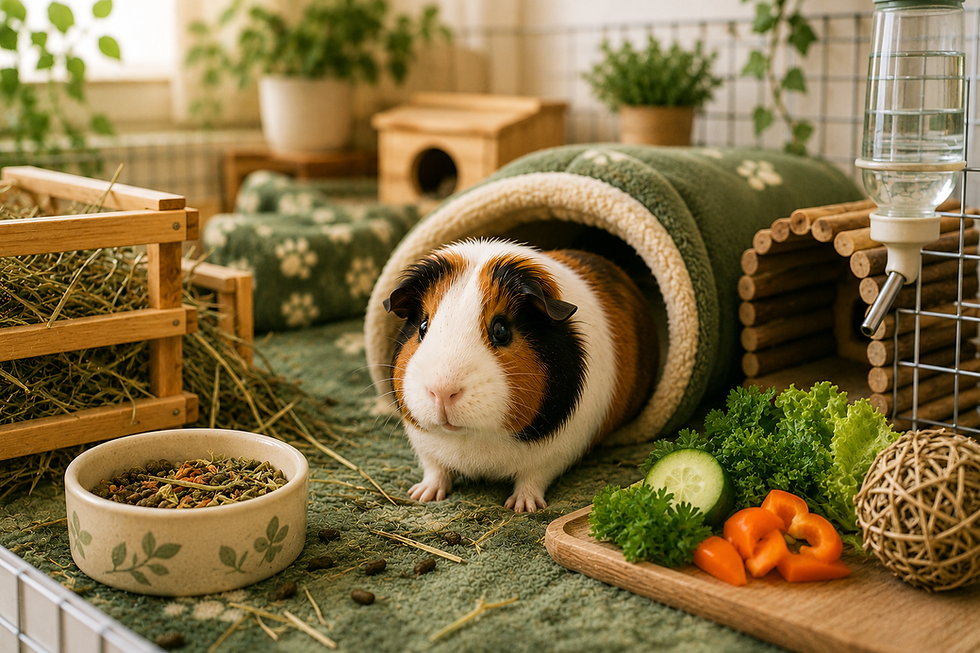
Most guinea pigs are ready for a little peace and quiet after their adventure.
Place them back into their familiar environment and let them settle in at their own pace.
Make sure they have unlimited hay, fresh water, and access to their normal diet. If your veterinarian recommends encouraging them to eat, offering a favorite leafy green can sometimes help.
Over the next day or two, pay close attention to:
Eating
Drinking
Poop production
Energy level
Overall behavior
Many guinea pigs bounce back from the excitement of the trip within a few hours.
If yours seems unusually quiet, refuses food, or anything feels “off,” trust your instincts and contact your veterinarian.

Know the Emergency Warning Signs
Guinea pigs can become critically ill much faster than many people realize.
Don’t wait until tomorrow if your guinea pig:
Stops eating
Stops producing droppings
Has difficulty breathing
Cannot walk normally
Develops severe bloating
Is bleeding
Has a seizure
Begins losing weight unexpectedly
One of the biggest lessons experienced guinea pig owners learn is that waiting rarely makes a sick guinea pig better. Early treatment often makes all the difference.

Your Guinea Pig Depends on You
Our guinea pigs can’t tell us when something hurts.
They rely on us to notice the little changes, ask questions, and seek help when something isn’t right.
Preparing for a veterinary visit isn’t just about packing a carrier and bringing some hay. It’s about becoming your guinea pig’s advocate.
The more prepared you are, the more confident you’ll feel, and the better care your guinea pig will receive.
Here’s hoping every vet visit is simply a routine wellness check and another step toward a long, healthy, happy life together.
If you found this guide helpful, save it for your next appointment and share it with another guinea pig owner who might need it.
Looking for a Little Guinea Pig Joy?
If you love guinea pigs as much as we do, visit The Cavy Whisperer Gift Shop for guinea pig-themed gifts, apparel, home goods, art prints, stickers, and more.
Every purchase helps support our mission to celebrate cavies, educate owners, and give back to guinea pig rescues and small animal shelters.
Shop guinea pig gifts at The Cavy Whisperer and find something sweet for yourself or your favorite cavy-loving human.


Comments